Route low-slope roofing inquiries to the specialist your company actually offers
A homeowner calls about a flat-looking roof addition. Your office should establish whether the requested assessment fits your company's actual low-slope services.
Steps
-
Define the accepted service scope Have the roofing lead approve categoriesInclude an unknown-roof option
List the roof systems and assessment types your team handles. Keep specialist or commercial referrals explicit where applicable.
Do not ask reception to identify a roof system from a description or tell a homeowner to climb up for evidence.
-
Capture a practical request Ask the affected structure and service addressPreserve the customer's wording
HubSpot supports editable fields and required controls. Use a category that accepts unsure answers and routes them for review.
The shared HubSpot editor illustrates the required-field setting. Test a request about an addition with no known system type.
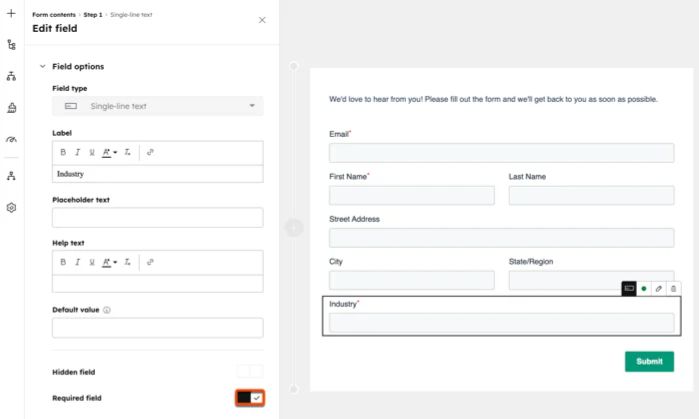
HubSpot’s form editor shows the Required field control for a form field. Source -
Have the specialist accept the visit Review scope and safe access arrangementsConfirm the actual next step
Give the roofing reviewer the reported concern and any safely obtained information already available. Let the reviewer determine what the assessment requires.
Confirm the appropriate appointment or explain a scope decline. Avoid sending an unsupported request into a standard steep-slope replacement calendar.
-
Correct misleading public signals Compare declines with page wordingKeep profile services accurate
Review actual declined categories and their known entry pages. Inspect whether your website or profile implies services you do not offer.
Google Business Profile guidelines address accurate business representation. Update the relevant scope description and track qualified requests after the correction.
What to measure
The result should be a specialist-accepted assessment or a clear scope decision. Roof-type uncertainty belongs in review, not a guessed booking category.