Build pest-service renewal follow-up from the actual agreement
A last service date does not tell your office when an agreement ends or what a renewal includes. Open the actual agreement before preparing a reminder. Give the customer accurate terms and a clear way to ask about continuing service.
Steps
-
Audit the agreement fields before choosing recipients Verify the property, agreement and current status.Separate renewal dates from routine visit dates.
Choose a group whose agreements your office can review this week. Check the signed record, current status, end date where one exists, covered services and any documented renewal process. Remove canceled accounts, active renewal discussions and customers already renewed.
Have the service lead resolve missing or conflicting records. Some agreements operate differently from an annual renewal campaign. Use the actual terms for each group and keep an ordinary scheduled visit out of the renewal count.
-
Write a reminder that matches the current terms State the actual service and next step.Check email preferences before sending.
Have your office approve the scope, price and process described in the reminder. Ask whether the customer wants to discuss continuing the agreement. Keep inspection, treatment, exclusions and any damage coverage tied to the agreement your company actually offers.
EPA recommends understanding the scope of pest-control service contracts and guarantees. Use that as a reason to make your own terms clear. If the send uses HubSpot, inspect the relevant email subscription status and suppress contacts your office should not approach.
-
Review returning activity without renewing the account Act on replies and explicit requests first.Verify identity before joining website context to an agreement.
If PipelineOn is installed, available visits to your service or renewal page can help your office choose records for review. Compare reliable shared details with the agreement holder and service property. Keep uncertain household connections separate.
The public demo shows the available fields and page timeline to inspect. Its HVAC example does not demonstrate your agreement workflow. A return visit does not accept terms, renew an account or establish that treatment is needed. Give an eligible, checked record to the agreement owner for a useful conversation.
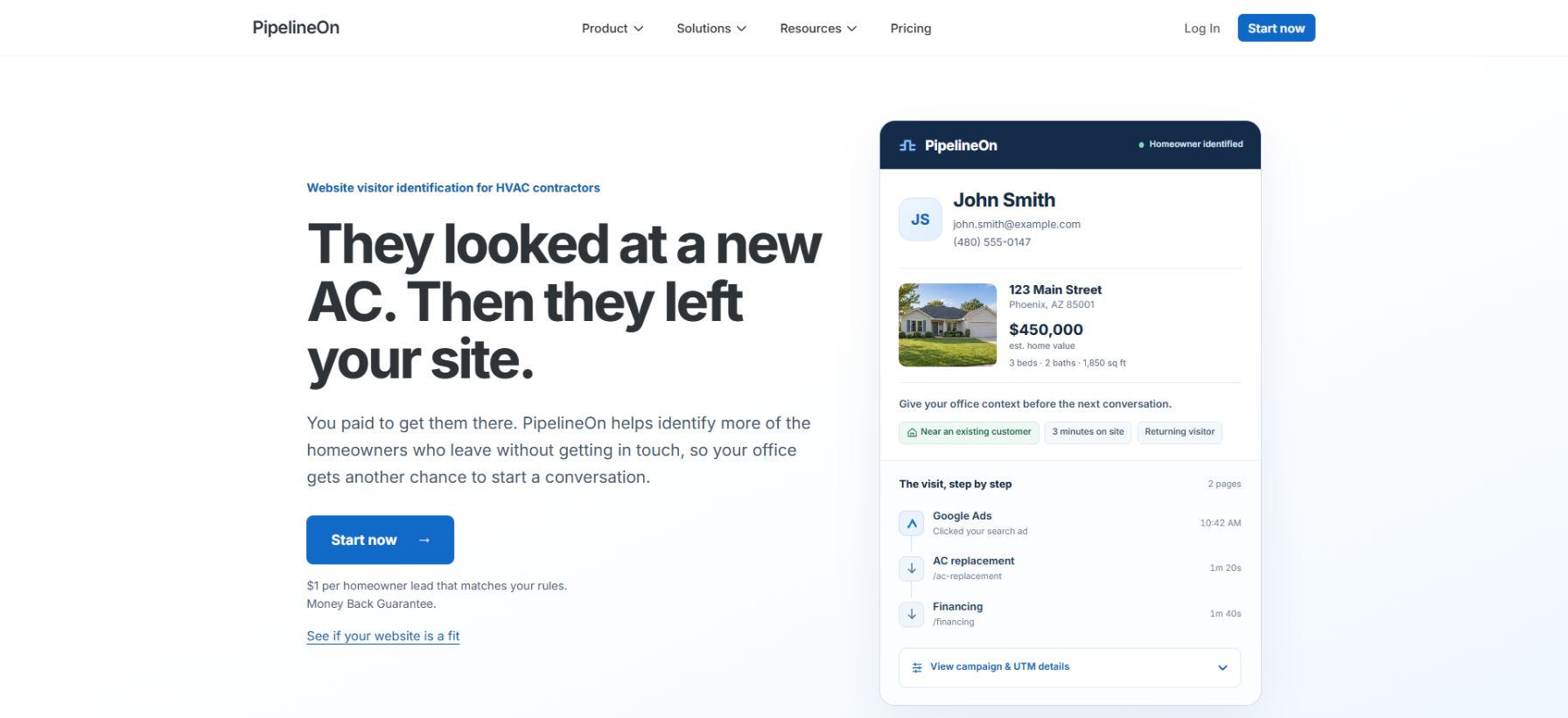
PipelineOn’s public demo record shows where the visit came from and which pages were viewed. Source -
Record acceptance and stop completed reminders Save the actual renewal decision and current terms.Stop reminders after renewal, decline or opt-out.
Have the responsible staff member verify the customer's decision and the required acceptance process. Save the current agreement and effective dates in the owning system. Use a manual checklist when your renewal automation has not been tested.
Compare reviewed agreements, customers reached, accepted renewals and completed contracted work. Record declines and unresolved questions. Keep visit reminders and new-pest inquiries in their own queues so they cannot silently change the renewal state.
What to measure
Review agreement accuracy and completed renewal decisions before expanding the reminder group. Correct the records that prevent the office from explaining what the customer is being offered.