Keep privacy-fence and pool-enclosure ads on the right request paths
A privacy-fence image and a pool-enclosure request can need different professional review. Let the customer state the intended use. Your office should preserve that purpose before an estimator offers scope or dates.
Steps
-
Approve the actual service offer State supported systems and territoryUse permitted relevant project proof
Have the lead define which fence purposes your team accepts and what the first visit covers. Keep technical and approval decisions with the responsible project team.
Use accurate images and terms. Avoid implying a generic design satisfies requirements for every property or intended use.
-
Match ad and landing-page choices Make the pictured purpose requestableAllow unsure scope
Open the ad destination on a phone and try its specific project. Keep privacy, enclosure and repair routes distinguishable where your company offers them.
Google recommends matching ad and page offers. Explain the assessment and any fee without assuming the final specification.
-
Test acceptance and office routing Preserve property and intended useVerify the estimator owner
Submit controlled privacy and enclosure requests, including an unsure answer. Inspect saved scope, property and assigned reviewer.
The shared PostHog image is a sample funnel. Reconcile your accepted-request event with actual intake, without contact details or photos in analytics.
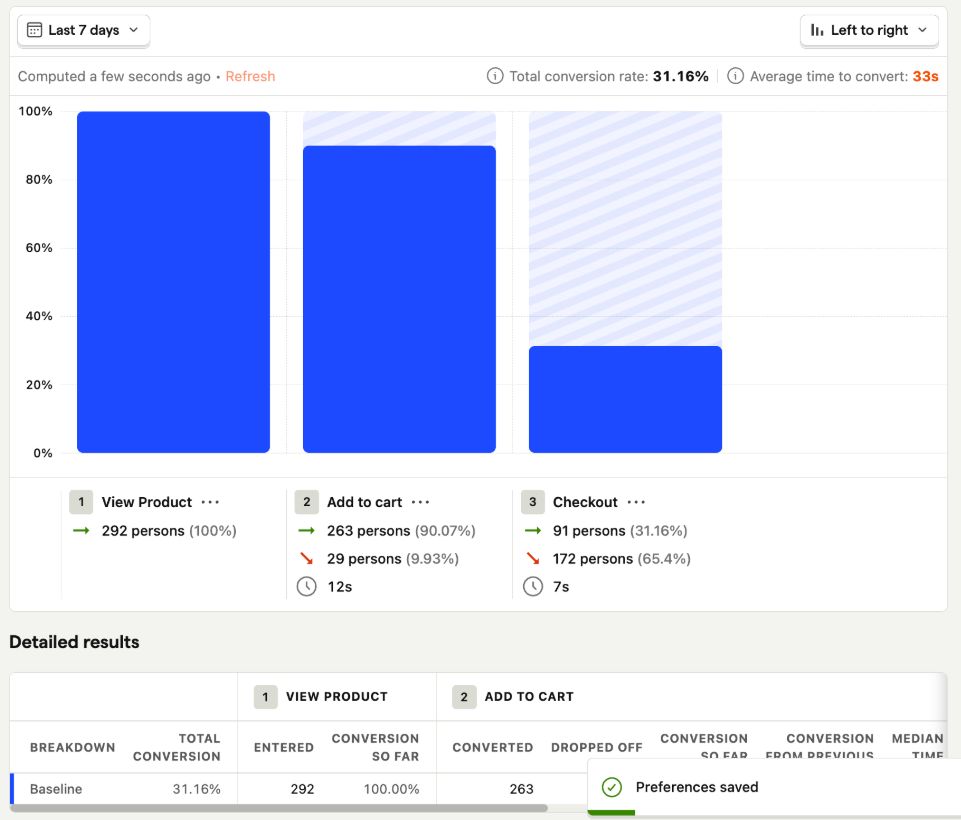
PostHog’s sample funnel. Substitute your page visit, form open and accepted request. Source -
Review assessed scope and approved work Track attended visits and proposalsRecord approval-related scope changes
Have qualified staff confirm the project-specific requirements before construction commitments. Preserve why a proposal differs from the first inquiry.
Measure accepted requests, attended estimates and completed projects. Improve the offer where repeated purpose mismatches waste review time.
What to measure
Test each intended use separately. The page should gather a genuine request while the qualified assessment determines the actual design and requirements.