Send Maps fence inquiries to relevant material and job evidence
A homeowner finding your company on Maps may want a material your crew does not install. Make your site explain actual options and next steps. Let the office confirm the purpose and property before arranging an estimate.
Steps
-
Audit the actual profile and destination Check services, hours and territoryOpen the published website link
Google requires accurate business representation and precise service-area information. Compare the profile with actual crew coverage and services.
Keep unavailable material claims out of the profile. Ensure the destination helps the person find a relevant project and estimate route.
-
Choose documented material examples Verify the installed scopeUse publishable customer permission
Have your estimator approve project descriptions and what they demonstrate. Obtain permission for photos and identifying information.
Explain the assessment, purpose and service limitations. Keep property-specific design or approval conclusions for qualified review.
-
Test the project request Allow undecided material and lengthInspect actual office ownership
Use HubSpot fields for property, requested purpose, material preference and contact. Make uncertain technical details optional.
The shared editor screenshot shows the Required control. Submit known-material and unsure requests and verify the expected reviewer.
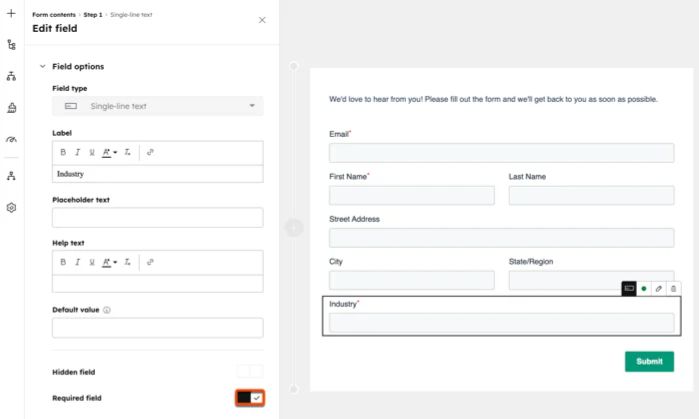
HubSpot’s form editor shows the Required field control for a form field. Source -
Track the confirmed project outcome Measure attended estimatesRecord material and service declines
Follow accepted inquiries through assessment, proposal and completed installation. Preserve the original source when later touchpoints arrive.
Use repeated unsupported requests to improve profile wording or navigation. Avoid claiming a page change alone caused every later job.
What to measure
Test from the live profile link. The customer should find the same material and service scope your office can actually arrange.