Prepare water-report inquiries for a treatment consultation
A homeowner may arrive with a utility report, a private-well test or a concern about taste. Your consultation intake should preserve which evidence they have. Give the reviewer the actual source and report before anyone promises a treatment result.
Steps
-
Ask about the water source and the customer's question Distinguish public utility supply from a private well.Record the concern without assigning a diagnosis.
Ask which supply serves the property and what the homeowner wants to discuss. Let them say the source is unknown. Record any existing treatment equipment and whether they have a report they can provide through your approved process.
Keep the report type clear. NSF describes a utility Consumer Confidence Report as a starting point for understanding the local public supply. EPA directs people seeking independent drinking-water tests to state-certified laboratories. Your sales form should not replace appropriate testing.
-
Collect a usable report reference and request Ask who issued the report and when.Keep personal report details out of analytics and campaign URLs.
In HubSpot's form editor, collect service address, contact details, source type and preferred callback time. Ask whether a report is available and record its issuer and date when known. Give unknown answers a human-review path.
Use your company's approved document-sharing process for reports and explain who reviews them. Keep the original units, sample date and tested location with the document. The screenshot shows HubSpot's field editor. Check where each field is stored and test office delivery without putting report contents in analytics events.
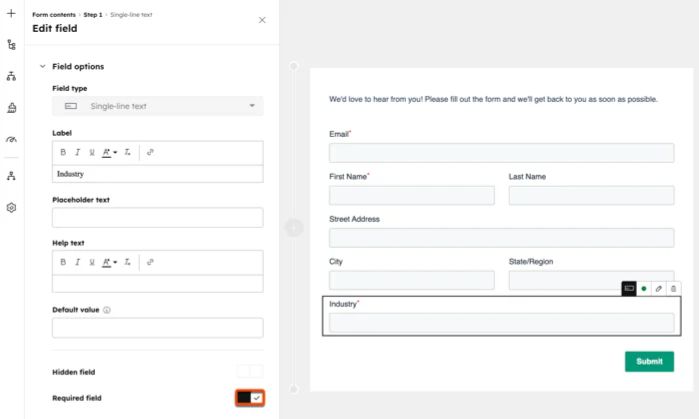
HubSpot’s form editor shows the Required field control for a form field. Source -
Have the reviewer establish which question the evidence supports Check the report against the actual service property.Verify any proposed product's specific reduction claims.
Give the qualified reviewer the customer's question, report and equipment history. Let that person identify missing evidence or a need for further testing. Route health or immediate water-safety concerns through the appropriate public-health or utility guidance rather than an automatic sales reply.
NSF explains that certification to a standard does not mean a system reduces every possible contaminant. Before discussing equipment, verify the specific model and certified claim relevant to the reviewed need. Keep an aesthetic concern and a demonstrated contaminant result described accurately.
-
Book the reviewed consultation and record the actual outcome Confirm what the appointment will assess.Keep requests, recommendations and accepted work separate.
Have the office confirm the property, reviewer, evidence needed and appointment purpose. Test a request with an unknown water source and no report. It should reach review with a useful next action instead of receiving an equipment recommendation.
Track reviewed inquiries, consultations attended and proposals accepted. If PipelineOn is live, extra website matches remain a separate source for review. A treatment-page visit cannot establish water composition, a health concern or suitability for a particular system.
What to measure
Ask the reviewer which missing report detail prevented a useful consultation. Improve that field while keeping testing, technical interpretation and customer authorization in their proper processes.