Explain the scope behind a siding price claim before running the ad
An advertised unit price needs the company’s actual measurement basis and included work so the estimator receives informed inquiries.
Steps
-
Check the price claim against real scope Name the measurement unitList included work
Have the commercial owner identify the exact offer and where it applies. Use the actual project costing and approved terms.
Record exclusions or conditions that materially change the offer and put them beside the claim.
-
Measure inquiries reaching the offer Track the price-explanation pageVerify accepted requests
Build a PostHog funnel ending at accepted siding requests. Test the event and office receipt with a controlled submission.
The public funnel is an example. Review your own request descriptions to see whether customers understood the unit.
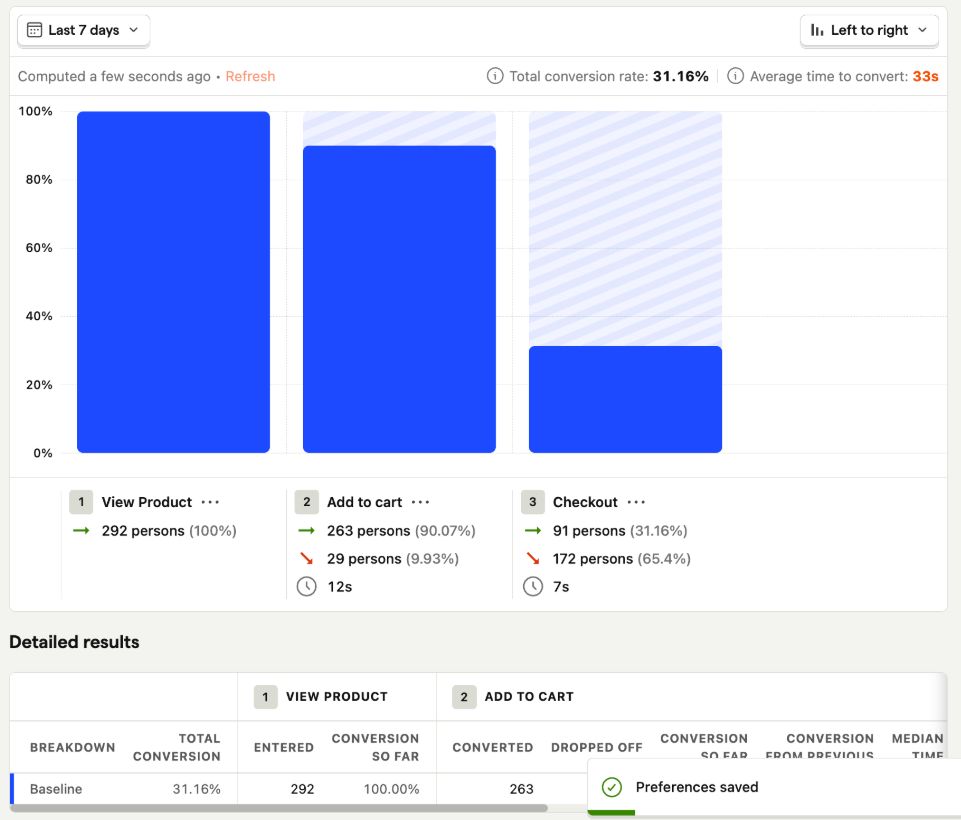
PostHog’s sample funnel. Substitute your page visit, form open and accepted request. Source -
Have the estimator check the understanding Ask which surfaces are requestedClarify added scope before pricing
Record whether the customer expects trim, removal or other work beyond the advertised offer.
Give the estimator the ad version and question so the actual quote explains the difference from the advertised basis.
-
Review offer-related misunderstandings Count accepted consultationsRecord repeated price disputes
Compare spend with consultations the estimator could advance. Keep misunderstandings about the unit visible.
Change the claim or scope explanation when the same omitted condition repeatedly causes confusion.
What to measure
The advertisement should make its pricing basis understandable before the site estimate.