Explain small masonry repair visit terms before customers book
A few damaged bricks can still require a scoped site visit. Tell customers what your company actually offers before reserving estimating time.
Steps
-
Define the small-repair offer Use actual estimating costsGet owner-approved terms
Ask operations what information permits a remote review and when an onsite assessment is needed.
Have the commercial owner approve any visit fee or minimum-work wording. Publish the actual offer without inventing an industry rule.
-
Test the assessment calendar promise Check the appointment descriptionVerify a booking internally
Open the HighLevel calendar used for this offer and inspect its appointment type and approved terms.
Make a controlled booking and confirm the internal record matches the customer-facing promise.
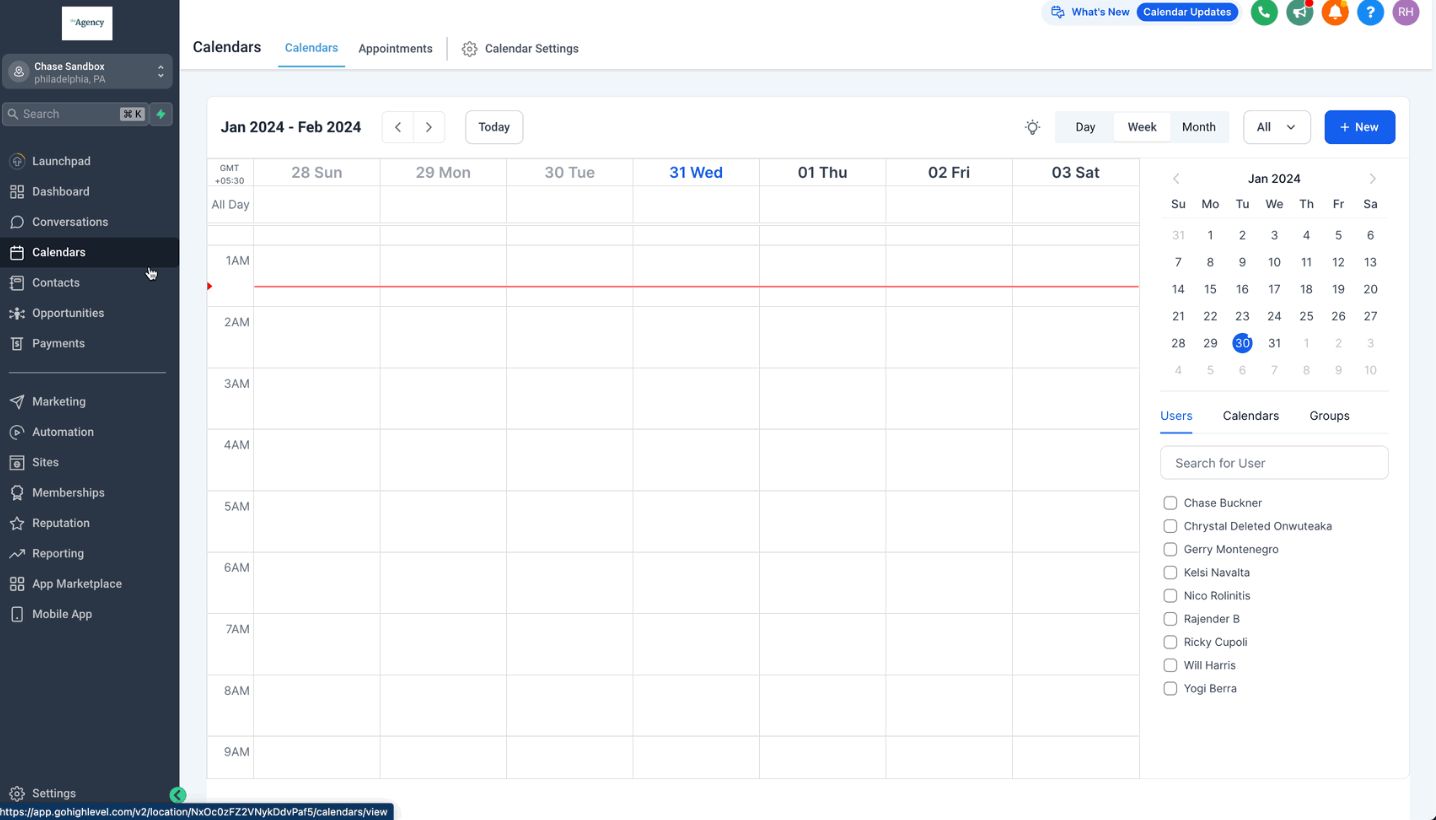
HighLevel’s internal calendar view. After a test booking, check that the appointment appears in the correct calendar. Source -
Check request fit before the visit Review the reported repair areaConfirm what the customer accepted
Give the estimator the customer’s description and available safe photos. Ask whether the offered assessment is appropriate.
Confirm the visit terms and next step through the normal booking process before sending the estimator.
-
Review useful assessment visits Record cancellations over termsCount supported repair scopes
Track assessments producing a priceable scope and appointments lost because the offer was unclear.
Revise the page when customers repeatedly misunderstand the visit deliverable or charge.
What to measure
The customer and estimator should agree on what the booked assessment delivers.