Qualify historic repointing referrals before pricing the work
A historic brickwork referral needs more context than a request for a price per square foot. Your estimator needs to know the building, observed concern and any project documents. Use a partner page to gather that information without promising a repair method from photographs.
Steps
-
Explain the historic masonry assessment you provide Describe the work your team handlesUse permitted project examplesState that material selection needs assessment
Publish a page for the historic masonry services your team is qualified to provide. Show permitted examples with accurate scope descriptions. Explain whether the initial visit is an estimate, an investigation or a separately scoped specialist assessment.
National Park Service Preservation Brief 2 addresses matching mortar properties and evaluating historic masonry for repointing. Use that guidance to explain why material and condition review matter. Keep the actual method and specification with the qualified project team.
-
Collect the referral and available project context Ask for property and authorized contactMake existing documents optionalRecord who referred the project
Ask for location, contact role, observed issue and whether project drawings, prior repairs or preservation requirements are known. Offer optional document submission through your approved channel. Do not require the customer to identify mortar composition.
Use a neutral partner label in the request link. Tally's shared documentation screenshot shows hidden fields carrying labels into submissions. Compare that label with the stated referral and keep personal information out of the URL.
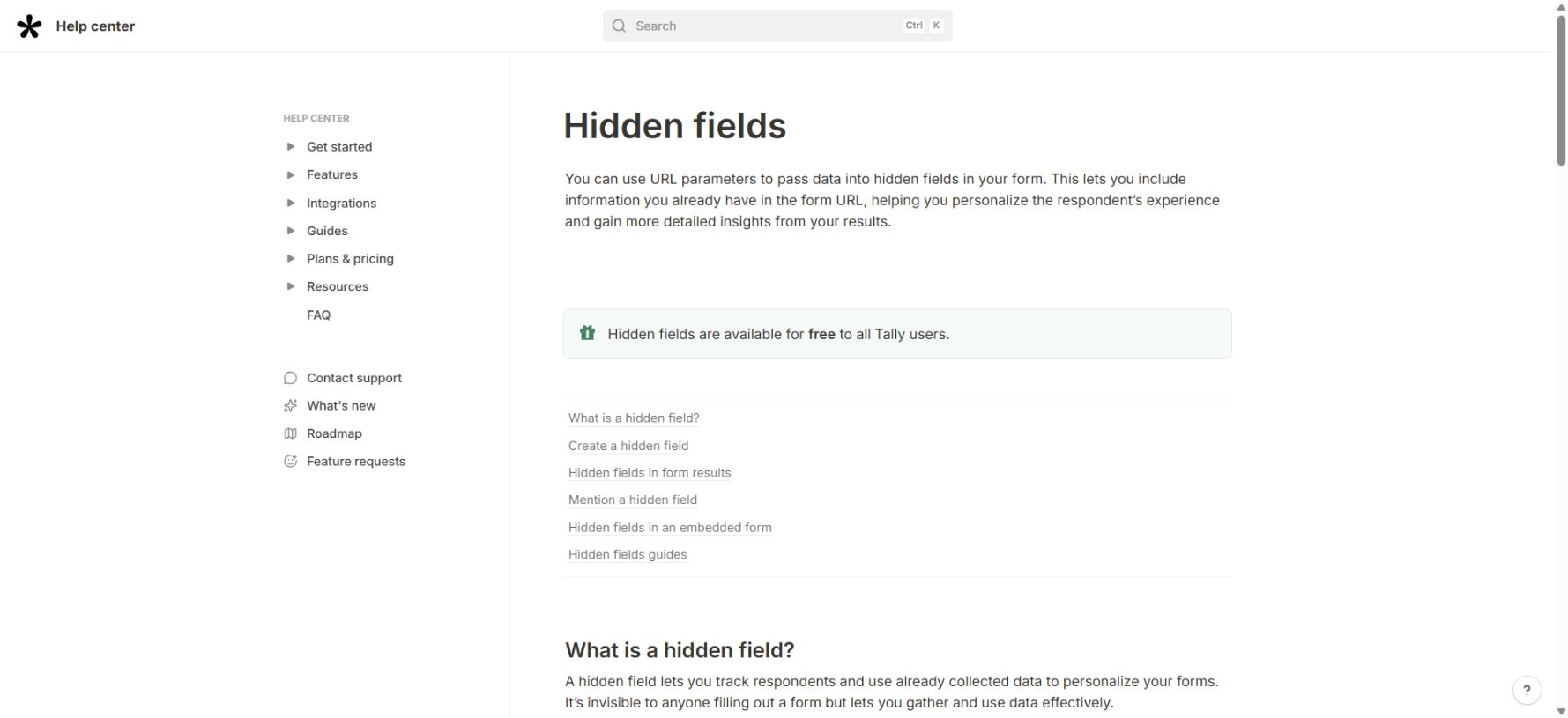
Tally’s public documentation shows how to carry a campaign label into a submitted form. Source -
Assign a qualified scope review before a firm quote Confirm authority to arrange the visitCheck access and relevant specialistsRecord unresolved scope questions
Have the coordinator confirm territory, property access and the person authorized to arrange assessment. Send the material history and documents to the estimator responsible for this type of masonry work.
Identify questions requiring preservation, design or structural input through your normal process. Make those dependencies visible before offering a price or start date. Keep reported conditions distinct from findings confirmed during the assessment.
An available PipelineOn return to the historic masonry page can flag an existing referral for review. Hand the estimator confirmed property and scope notes. The address and page path cannot establish whether preservation rules apply to that work.
-
Measure referrals that become approved scopes Preserve the original referral sourceTrack completed assessmentsRecord proposals and accepted work
Keep one project record through referral, assessment, defined scope, proposal and accepted work. Check for an existing architect-led project before creating another opportunity. Record why an inquiry is declined or referred elsewhere.
Review assessment time, missing documents and specialist dependencies alongside completed jobs. Improve the partner page when repeated questions delay scope approval. Share project status only through authorized channels.
What to measure
Test the request with a partner before distributing it widely. A useful referral should let the estimator identify what can be assessed and what expertise still needs to join the project.