Exclude unsuitable fence searches without blocking installation demand
A fence installer can pay for searches about work the crew never accepts. Read the actual terms beside office outcomes before adding exclusions. A careful change should remove a known mismatch while preserving the installation inquiries your estimator wants.
Steps
-
Find the search terms behind unsuitable inquiries Export the actual Search terms report.Use confirmed service declines to explain mismatches.
Choose one fence Search campaign and a stated reporting period. In Google Ads, inspect Search terms and save the campaign, ad group, term and available cost data. Compare with office records where the original campaign or call evidence supports the connection.
Have your estimator identify services your company genuinely excludes. A repair search may still lead to an acceptable replacement project, so inspect the actual inquiry before excluding every repair-related phrase. Keep terms with unknown outcomes marked for review. The report does not expose every search.
-
Choose the narrowest justified negative-keyword change Check match type and campaign or ad-group scope.Protect services your business still wants to sell.
For each proposed exclusion, write the service reason and which campaign or ad group it should affect. Google's report adds Search negatives as exact match by default. Review the selected match type and scope before saving rather than applying a broad account-wide list without inspection.
Negative keywords behave differently from positive keywords and do not automatically cover close variants. Use Google's documented rules to evaluate the phrases you intend to block. Save the change date and selected terms, then inspect later search traffic and real inquiries before adding more.
-
Check the installation destination and paid collection rules Test the actual ad URL and accepted form.Verify live tracking and service ZIPs separately.
Open the current installation URL with its campaign parameters on a phone and submit a labeled test. Check the service offer, office delivery and recorded source. If PipelineOn is already installed, verify tracking is live. For a new WordPress setup, complete installation, exact-site approval and Live verification before relying on matches.
Check paid ZIP and page rules against the actual installation path. Review how your account treats the URLs you use, including redirects and campaign parameters. The public demo shows available campaign and page context. It is not a Google Ads Search terms screenshot.
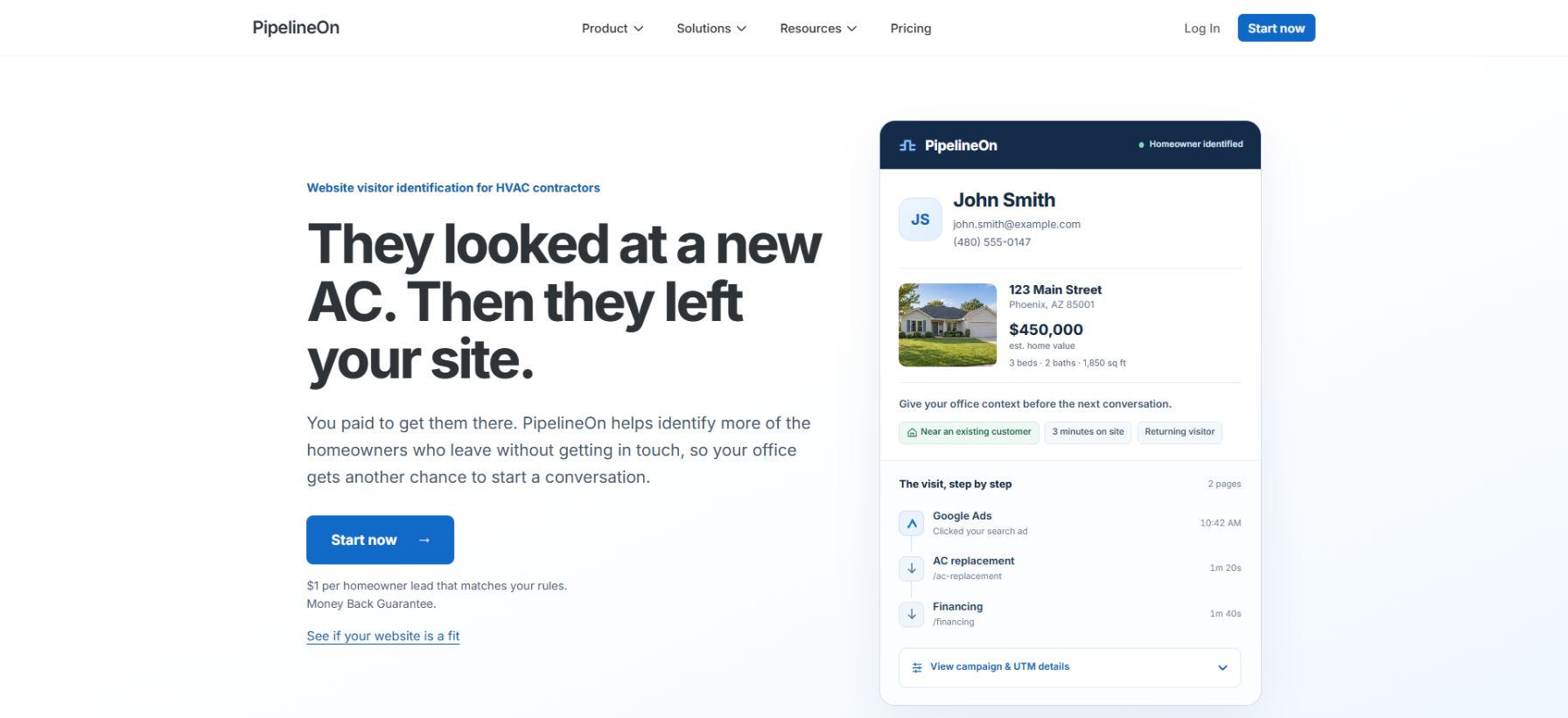
PipelineOn’s public demo record shows where the visit came from and which pages were viewed. Source -
Judge the exclusions by serviceable installation opportunities Prioritize requested estimates and confirmed scope.Keep additional matches and unknown outcomes separate.
Give submitted, in-area installation requests to the estimator first. Review additional homeowner matches against service ZIP, relevant page and existing quote before assigning eligible follow-up. A visit or search phrase alone does not establish the fence scope.
Compare unsuitable requests, suitable installation inquiries, attended estimates and sold installations with campaign spend. Allow the same follow-up time for each period. If useful replacement conversations disappear, revisit the exclusion and the estimator's actual acceptance criteria.
What to measure
Keep the exclusion reason and change date beside the inquiry outcomes. Repeat the review when the services your fence crew accepts change.