Screen postconstruction window-cleaning requests before quoting
Newly installed glass with construction residue needs a different scope review from a routine window wash. Ask what was installed, what remains on it and who can provide the care instructions. Give your crew lead enough information to accept the job responsibly.
Steps
-
Separate construction cleanup from the standard wash offer Ask what work happened and which surfaces need review.Record the builder or owner who can authorize the scope.
Give postconstruction requests a clearly labeled path on your website. Ask whether the glazing is newly installed, which areas need cleaning and what the customer reports on the surface. Save any known manufacturer and product information without forcing a guess.
Confirm the service property, access contact and person who can approve the work. Ask for existing installation or care documents through your approved channel. Keep routine dirt, reported construction residue and pre-existing damage as separate review items.
-
Have the lead check product-specific care restrictions Use the actual glazing manufacturer's instructions.Leave unknown coatings and methods for qualified review.
Have your cleaning lead check the applicable care instructions before offering a method. Marvin's general care document warns against scrapers and distinguishes its non-coated-glass procedure from coated surfaces. Use that document only where it applies to the actual product.
Record unresolved glazing, coating or residue questions and arrange a site review when needed. Do not turn a manufacturer-specific procedure into a universal promise. Your marketing form should gather useful information while the lead determines whether your company can accept the scope.
-
Test the request source and document handoff Save a postconstruction source label with the form.Verify that the lead receives the submitted context.
If the request uses Tally, add a hidden field identifying the postconstruction page. Pass it through the supported URL or embed setup and keep personal information out of the URL. The screenshot shows the hidden-field mechanism.
Submit a labeled test with unknown glazing details and no photos, then one with a supported attachment if your form accepts files. Confirm that the lead can open the request through normal access and that no automatic message gives a standard-wash price for an unreviewed scope.
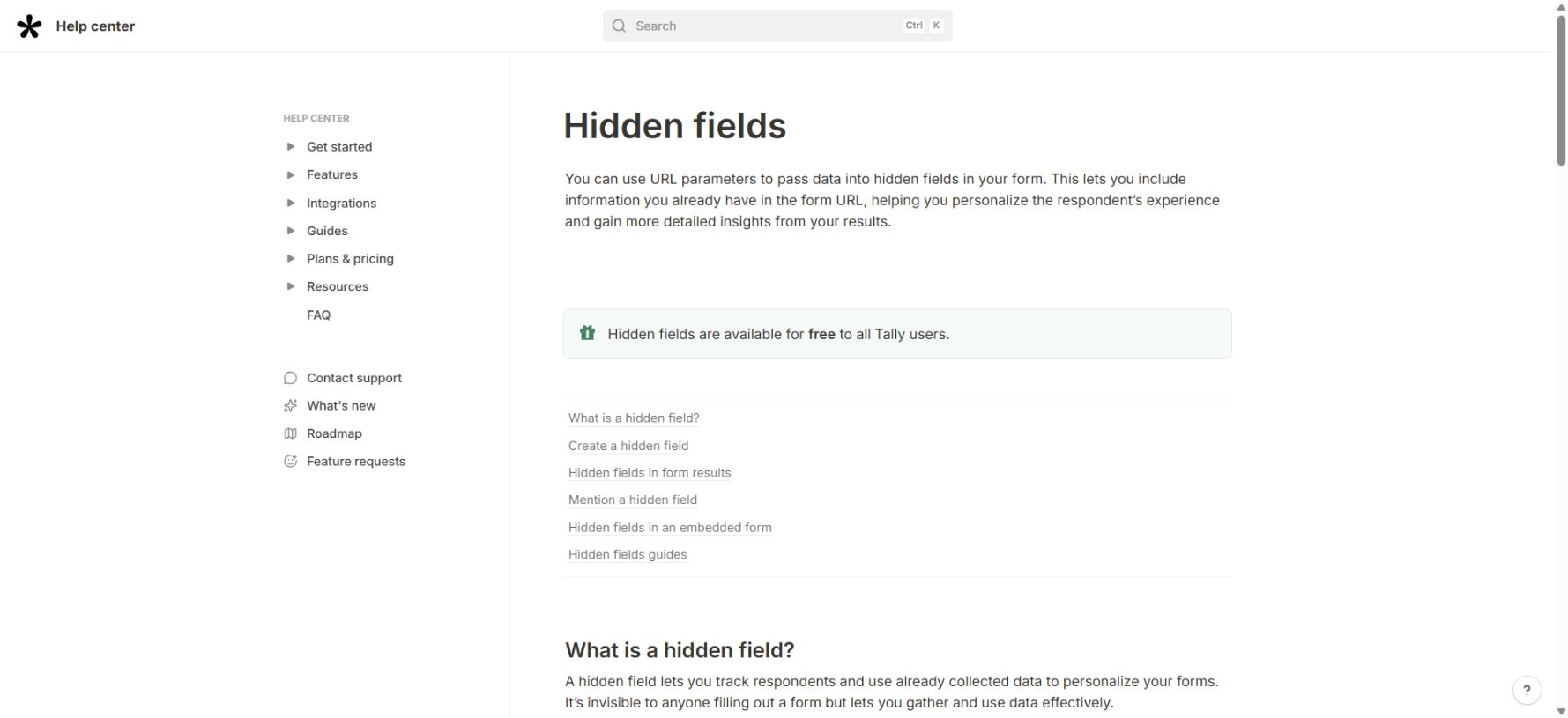
Tally’s public documentation shows how to carry a campaign label into a submitted form. Source -
Approve the assessment and preserve agreed exclusions Document current condition and accepted work.Keep assessment, quote acceptance and completion distinct.
Have the lead confirm the surfaces, access, required review and exclusions before offering the job. Record existing condition using your normal customer-approved process. Make the current scope available to the crew that will perform it.
Track reviewed requests, site assessments, accepted quotes and completed work. If PipelineOn is live, additional matches from this page remain unconfirmed service interest. A page visit does not establish construction residue, glazing type or permission to enter the property.
What to measure
Review the requests your lead declined or returned for product information. Improve the page when a clearer exclusion would have prevented a routine-wash booking for a specialist scope.