Give fixture-showroom referrals a clear plumbing estimate owner
A homeowner leaves a showroom with fixture choices and your company's card. Your office needs to know whether this is an installation inquiry and who has the product details.
Steps
-
Agree the referral handoff Define the showroom's roleKeep the customer free to request service
Confirm which showroom can share your card and what installation services your company actually offers. Avoid implying a partnership beyond the agreed arrangement.
Ask the showroom to let the homeowner initiate the request. Product selection does not establish that your company has accepted the installation.
-
Label the QR entry route Use a nonpersonal source parameterTest the printed card on a phone
Tally hidden fields can retain a source label from URL parameters. Give the showroom card its own neutral referral code.
The shared Tally image illustrates the mechanism. Print one proof and check the scan, page title and stored source before distributing cards.
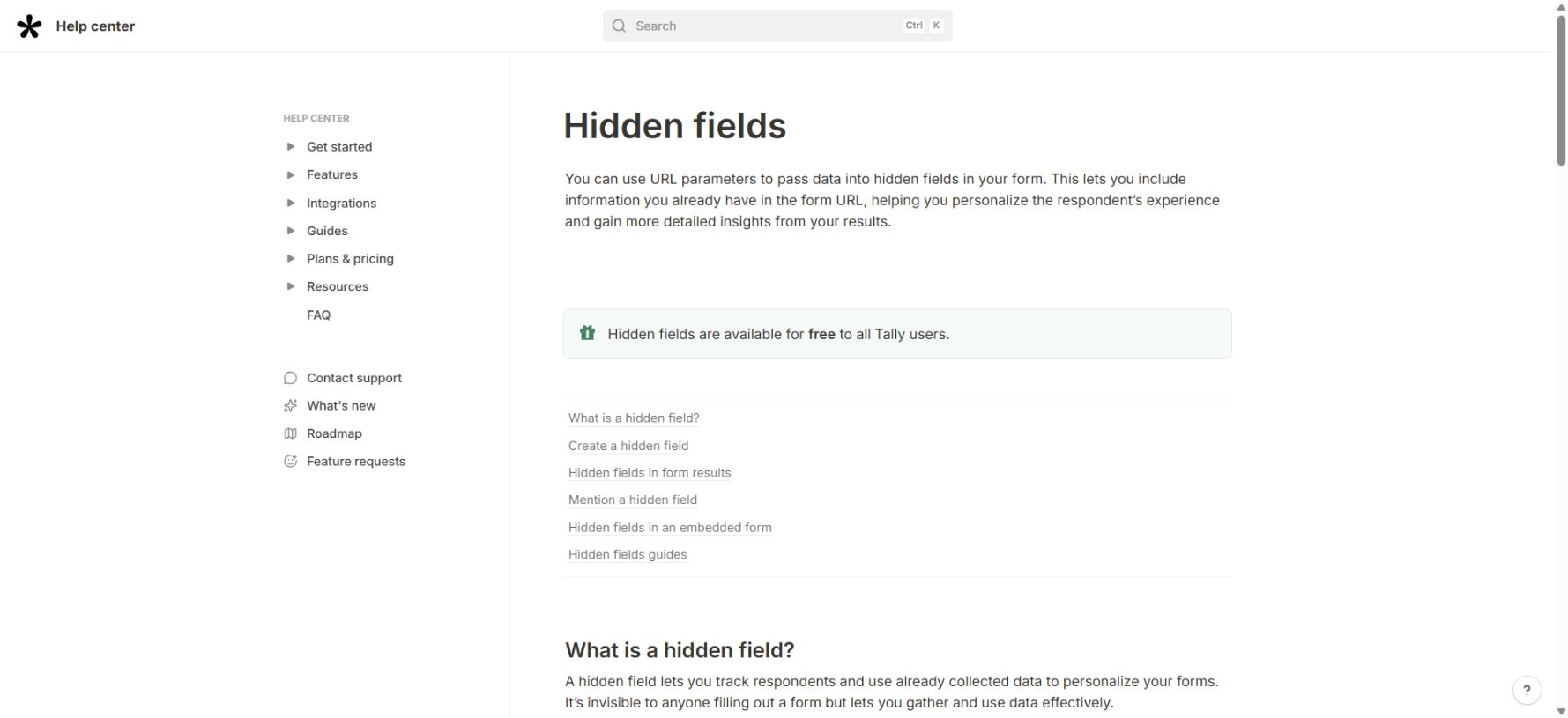
Tally’s public documentation shows how to carry a campaign label into a submitted form. Source -
Collect product and scope context Ask what is selected and what remains unknownConfirm the service property
Ask for fixture count, product references if available and whether the customer seeks replacement or broader remodeling work.
Have the plumbing reviewer check supplied-product policies and assessment requirements. Confirm the appointment only after territory and scope fit.
-
Close the referral loop carefully Assign the request to one estimatorReport aggregate referral outcomes
Record showroom source and customer-provided selections on the estimate. Ask permission before sharing project-specific information back to the showroom.
Track requests, accepted assessments and completed work by card source. Review product-information gaps with the showroom using anonymized examples.
What to measure
The card should produce a customer-led installation request with usable product context. Give that request one owner.