Route moving referrals into authorized planned locksmith appointments
A moving partner can introduce a customer who wants planned locksmith service at a new address. Give them a page the customer can choose to use. Your office then confirms the requested work, service location and authorization through your established process.
Steps
-
Publish a planned-service partner page List the services you actually offerExplain appointment and fee termsAvoid implying authorization from a referral
Describe planned services, coverage and how your office arranges an appointment. Let the customer state the service they want without collecting sensitive security details. Keep urgent requests on your actual staffed contact route.
Ask partners to share the page with interested customers. Do not treat a mover, agent or manager naming a property as proof that the requested work is authorized. Your company's required verification process remains part of service intake.
-
Collect a voluntary request with the referral source Ask for contact and service addressRecord preferred appointment timingKeep referral labels neutral
Use a short form for contact details, service property, general requested service, timing and referring company. Avoid requesting keys, codes or identity-document uploads through a marketing form. Explain who reviews the request and when.
Tally supports source labels passed through hidden fields. The shared documentation screenshot shows that mechanism. Use a neutral partner label alongside the customer's stated referral, keep personal details out of the URL and test the submitted source.
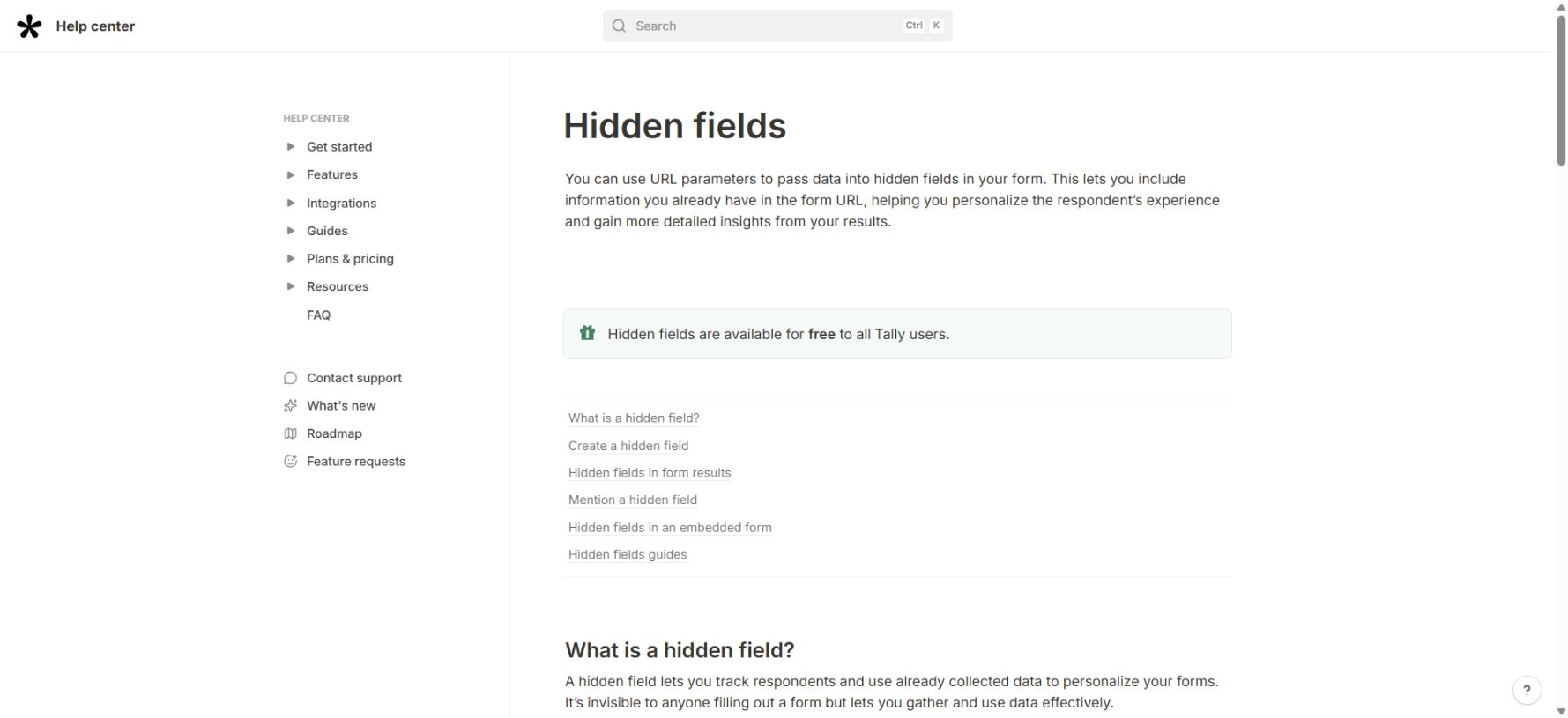
Tally’s public documentation shows how to carry a campaign label into a submitted form. Source -
Verify the request before confirming the appointment Apply your established authorization checksConfirm actual service coverageAssign one responsible staff member
Have authorized staff confirm the customer's identity and authority using your established service process. Keep the request pending when verification is incomplete. Route questions to the person responsible for that decision.
Confirm the service location, scope, fee expectations and availability. Search for an existing appointment so the referral does not create another visit for the same request. Keep partner marketing records separate from sensitive operational verification information.
Review available PipelineOn matches that viewed the partner page. Measure form opens and accepted requests separately with verified events and office records. Use direct requests and the office’s separate property authorization process for appointments.
-
Measure accepted appointments and completed services Count referrals and requests separatelyTrack confirmed and completed visitsLimit partner updates to authorized information
Track stated referrals, accepted service requests, verified appointments and completed paid work. Record requests declined for coverage, scope or incomplete authorization without exposing sensitive details in campaign reports.
Send a partner only updates the customer has authorized. Review missed appointments, duplicate requests and unclear fee expectations. Use that feedback to improve the site page and handoff language.
What to measure
Test the request and office handoff using staff-controlled details. The referral should supply useful context while authorization remains a verified service decision.