Set spring-repair Search limits from completed paid repairs
An inquiry about a spring is separate from a technician-confirmed repair. Follow the actual request through completed paid work. Your own revenue and service costs determine what advertising the shop can afford.
Steps
-
Define one repair cohort Save campaign and inquiry datesUse unique property service episodes
Track qualified requests, attended visits, technician-approved work and completed paid repairs. Keep repeat calls about one issue together.
Record outside-area calls and requests your team cannot accept. Leave open jobs visible rather than treating them as completed sales.
-
Reconcile actual campaign cost Export spend and clicksVerify call references before attribution
Google defines average CPC as click cost divided by clicks. Keep actual spend separate from Keyword Planner planning ranges.
The shared CallRail timeline is an example. Inspect the real call and source evidence before connecting it to a customer repair record.
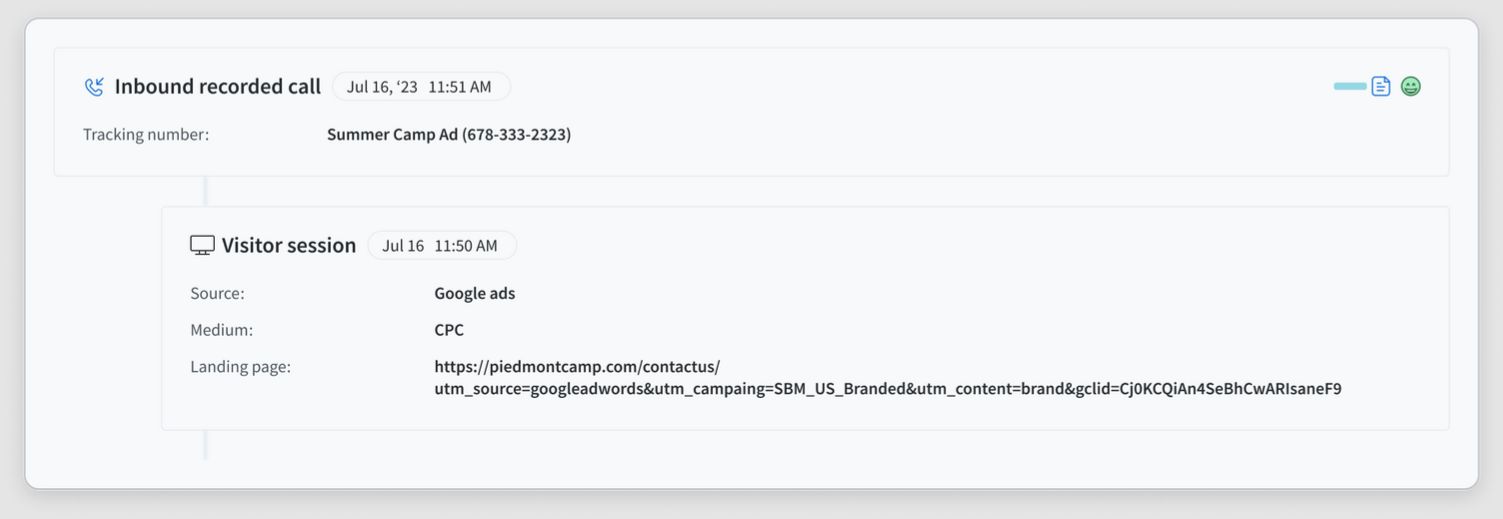
CallRail’s example of the visitor session attached to a tracked call. Source -
Calculate pre-ad repair contribution Count collected revenue onceInclude unsuccessful dispatch costs
Total collected cohort revenue and subtract parts, technician labor, travel, subcontract work and other direct costs, including nonrepair visits.
Divide contribution by unique inquiries for a planning input. Decide what must remain for overhead and profit before setting an advertising allowance.
-
Review the stage that limits useful work Compare accepted requests and paid completionKeep zero outcomes unresolved
Report spend per qualified request, attended visit and completed repair. If none completed, show the count and leave that unit cost unresolved.
Review missed calls, inventory, technician capacity and quote declines. Change the actual bottleneck before increasing demand.
What to measure
Keep campaign exports and reconciled service records together. Recheck the ceiling when parts costs, staffing or completed repair outcomes change.