Mastering Door Knocking for Roofing Companies
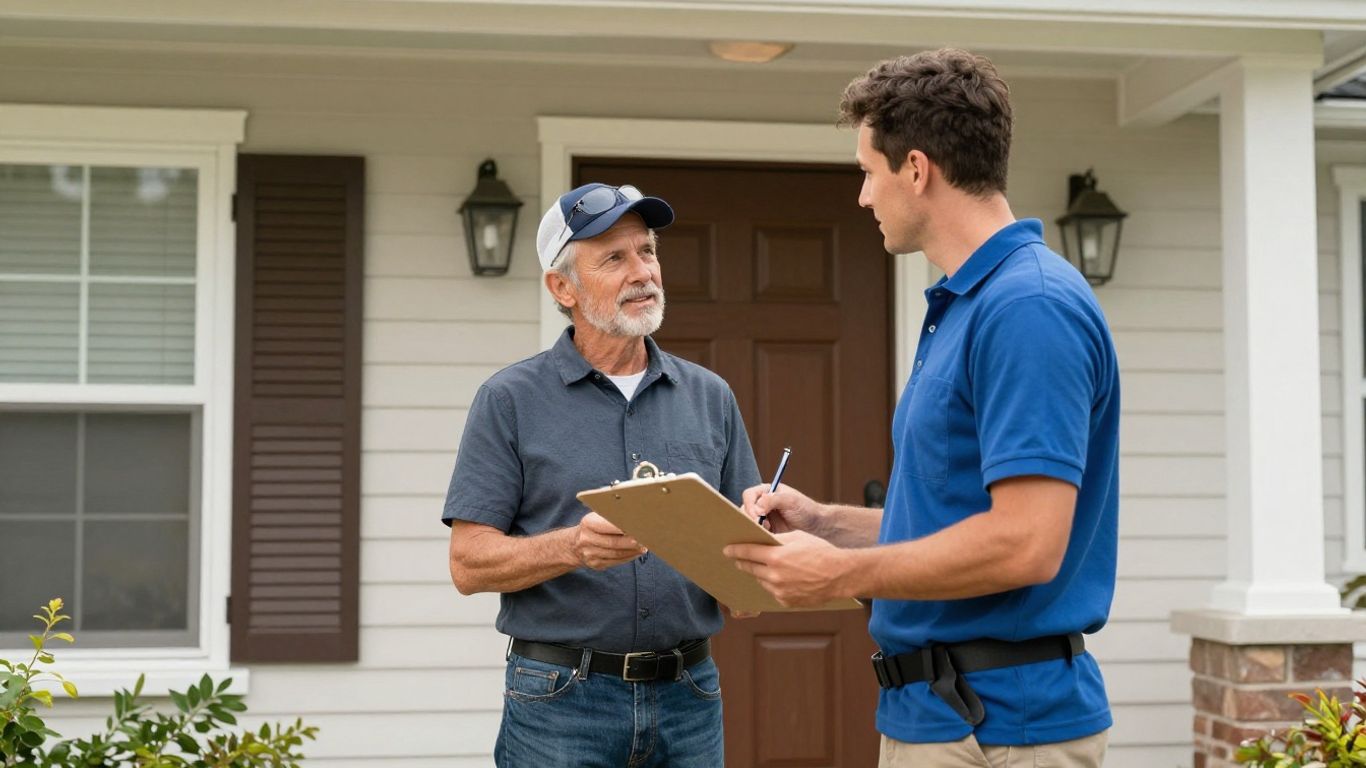
Thinking about knocking on doors to get more roofing business? It can feel a bit old-school, and honestly, sometimes it feels like a total shot in the dark. You might wonder if it’s even worth the effort, especially with all the other ways to find customers these days. But here’s the thing: when done the right way, door knocking for roofing companies can still be a really effective way to connect with people right in your neighborhood and land new jobs. It’s all about having a solid plan and knowing how to talk to folks without being annoying.
Key Takeaways
- Directly talking to homeowners face-to-face is a great way to answer their questions right away and build trust.
- Making your pitch personal to each person and neighborhood makes a big difference in getting them interested.
- Door knocking can bring in lots of new leads and help you make more sales, especially if you haven’t reached those people any other way.
- Being prepared with a plan, knowing who you’re talking to, and having a simple script makes your efforts way more effective.
- Always follow up with people you talk to, even if they aren’t ready to buy right away, to keep your business top-of-mind.
Mastering The Art Of Door Knocking For Roofing Companies
Door knocking for roofing companies might seem old-school, but honestly, it’s still one of the most direct ways to connect with potential customers. It’s about getting out there and talking to people face-to-face. This isn’t just about handing out flyers; it’s about building a connection right at their doorstep. The real power comes from that direct interaction, where you can answer questions on the spot and show you’re a real person, not just a logo. It’s a practical way to generate leads and drive sales when you are trying to get roofing leads from canvassing.
Understanding The Value Of Direct Communication
Think about it: in today’s digital world, we get bombarded with emails and ads. A personal visit cuts through all that noise. When you’re standing on someone’s porch, you can gauge their reaction, understand their concerns immediately, and tailor your message. This kind of communication builds trust way faster than any online ad ever could. It allows you to address specific issues homeowners might not even realize they have, like subtle signs of wear and tear on their roof.
The Power Of A Personalized Approach
Every neighborhood is different, and every homeowner has unique needs. A generic pitch just won’t cut it. You need to adapt. Maybe you’re in an area that recently had a hailstorm, or perhaps you noticed a cluster of older roofs. Mentioning these local details shows you’ve done your homework and aren’t just randomly knocking. This personalized touch makes your company memorable and shows you care about their specific situation. It’s a key part of effective roofing outreach.
Generating Leads And Driving Sales
Ultimately, the goal is to get more business. Door knocking, when done right, is a proven method for filling your sales pipeline. It’s a proactive strategy that puts you in front of people who might not be actively searching for a roofer but could definitely benefit from your services. It’s about creating opportunities. You’re not just waiting for calls; you’re actively seeking out potential clients. This approach is vital for door-to-door canvassing in home improvement.
When you approach door knocking with a clear plan and a genuine desire to help, you transform a simple knock into a powerful sales tool. It’s about more than just selling a roof; it’s about providing peace of mind and protecting a homeowner’s biggest investment.
Here’s a quick look at what makes door knocking effective:
- Direct Interaction: Builds immediate trust and rapport.
- Personalization: Tailors your message to specific needs and local conditions.
- Lead Generation: Proactively finds potential customers.
- Sales Conversion: Directly influences purchasing decisions.
It’s a strategy that requires effort, but the payoff in terms of new business can be substantial. Remember, consistency is key, and learning from each interaction will only make you better over time.
Strategic Preparation For Door-Knocking Success
Before you even think about knocking on a single door, getting your ducks in a row is super important. It’s not just about showing up; it’s about showing up smart. This prep work is what separates the folks who get doors slammed in their faces from the ones who actually book appointments.
Identifying Your Ideal Target Market
First things first, who are you even trying to talk to? You can’t just knock on every door in town and expect great results. Think about the kind of homes that are most likely to need your roofing services. Are you looking for older homes with roofs that have seen better days? Maybe neighborhoods where there’s been a lot of recent storm activity? Pinpointing this helps you focus your energy where it counts. It’s like fishing – you wouldn’t cast your line in just any old pond, right? You’d go where the fish are.
- Demographics: Age of homes, income levels, homeowner vs. renter.
- Property Type: Single-family homes, multi-unit dwellings.
- Geographic Location: Areas prone to specific weather events, newer developments.
Thorough Area Research For Tailored Pitches
Once you know who you’re looking for, you need to know where to find them. Spending some time researching the specific neighborhoods you plan to visit can make a huge difference. Look up recent sales, any local news that might affect homeowners (like upcoming development projects or past weather events), and even local events. This kind of information lets you tailor your conversation. Instead of a generic pitch, you can say something like, “I noticed a lot of homes in this area had some hail damage last spring, and I wanted to check on your roof.” It shows you’ve done your homework and aren’t just randomly bothering people. This kind of personalized approach can really help build trust with homeowners.
Developing Effective Door-Knocking Scripts
Okay, so you know who you’re talking to and where. Now, what are you actually going to say? Having a script isn’t about sounding like a robot; it’s about having a clear, concise message that covers all the important points. Your script should include a brief introduction, a clear reason for your visit, and a call to action. It should also have some responses ready for common questions or hesitations. Practice it, but don’t be afraid to go off-script if the conversation flows naturally. The goal is to sound confident and knowledgeable, not like you’re reading from a page.
- Introduction: Who you are and why you’re there.
- Value Proposition: What problem you solve or benefit you offer.
- Call to Action: What you want them to do next (e.g., schedule an inspection).
- Objection Handling: Prepared responses for common concerns.
Preparation is key. Without a solid plan, your door-knocking efforts can feel scattered and unproductive. Taking the time to research your market and craft your message ensures you’re making the most of every interaction, turning potential leads into actual business opportunities. It’s about working smarter, not just harder.
Remember, even with the best preparation, not every door will open to a sale. That’s where resilience comes in, but a strong foundation makes all the difference. For those looking for alternatives, exploring virtual sales platforms can also be a smart move.
Crafting The Perfect Roofing Door-To-Door Sales Pitch
Alright, so you’ve picked your neighborhood and you’re ready to knock. But what do you actually say? This is where a lot of folks stumble. You can’t just wing it. A solid pitch is your ticket to getting that door opened and, more importantly, getting a foot in the door for an inspection. It’s about being prepared, being genuine, and making it easy for the homeowner to say ‘yes’.
Essential Elements Before You Knock
Before you even think about ringing that doorbell, get your ducks in a row. This isn’t just about having a nice smile; it’s about showing up like a pro. Homeowners can spot a fly-by-night operation a mile away, so you need to be ready to prove you’re the real deal.
- Professional Appearance: Wear a clean company shirt, maybe a badge if you have one. It makes you look official.
- Proof of Work: Have photos of recent jobs on your phone, or a link to your company’s reviews. Showing is better than telling.
- Clear Objective: Your main goal isn’t to sell a roof on the spot. It’s to book a free inspection. Keep that in mind.
- Local Connection: Know why you’re in this specific neighborhood. Did a storm pass through? Are you working on a house nearby? Have a reason.
Engaging Homeowners At The Door
Okay, the door opens. Now what? Keep it brief and to the point. People are busy, and frankly, most don’t want a long sales pitch the moment they open their door. The key is to be friendly, respectful, and offer something of immediate value.
Here’s a simple structure that works for many roofing sales door to door techniques:
- Introduce Yourself: “Hi, I’m your name with your company.”
- State Your Local Reason: “We’re actually working on a roof just down the street, and we’re doing a quick check of the neighborhood roofs.”
- Offer Value (The Ask): “I noticed your home is right in the area, and I was wondering if you’d be open to a quick, free roof inspection? I can usually spot potential issues from the ground, and I’ll send you photos of anything I find.”
- Provide Options: If they seem receptive, offer specific times: “I have some availability this afternoon around 3 PM, or perhaps tomorrow morning at 10 AM. Would either of those work for you?”
The most important thing is to stop talking after you ask your question and let them respond. Silence can be awkward, but it gives them space to think and answer.
Handling Hesitation With Grace
Not everyone will jump at the chance for a roof inspection. That’s totally normal. When you sense hesitation or they say they’re not interested, don’t push. Instead, try to shrink the ask or offer a way to connect later.
- Acknowledge and Respect: “No problem at all, I understand.”
- Shrink the Ask: “Would you mind if I just left you my card? We’re offering free roof inspections, and if anything comes up down the line, you’ll have our info.”
- Offer Digital Connection: “Or, if it’s easier, I can text you my contact information? That way, you have it handy if you ever need it.”
Remember, even a ‘no’ today could be a ‘yes’ tomorrow if you leave a positive impression. Building trust is a marathon, not a sprint, and every interaction is a chance to strengthen your company’s reputation. Being professional, even when you don’t get the immediate sale, is one of the best practices for residential roofing sales.
The goal isn’t to be the loudest voice in the room, but the most helpful. When you approach homeowners with genuine intent to help them protect their biggest investment, your pitch naturally becomes more effective. It’s about solving their problems before they even know they have them.
Choosing The Right Doors And Timing
When you’re out there knocking on doors for your roofing business, it’s easy to think every house is a potential customer. But honestly, not all doors are created equal, and wasting time on the wrong ones can really hurt your progress. You need to be smart about where you spend your energy. Think of it like fishing – you wouldn’t cast your line just anywhere, right? You’d go where the fish are biting.
Selecting Prime Neighborhoods For Maximum Impact
First off, let’s talk about neighborhoods. You want to target areas where people are likely to invest in their homes. Look for neighborhoods with well-maintained properties, but also keep an eye out for signs that a roof might be getting old or has seen better days. Sometimes, the most prideful homeowners are the ones who might not realize their roof needs attention until it’s pointed out. It’s about finding that sweet spot. Also, consider areas that have recently experienced storms. People in those areas are already thinking about repairs, making them more receptive to your services. You don’t want to go into a neighborhood that’s already been saturated by other roofers; you’ll just be another face in the crowd.
Identifying Roofs That Need Attention
Once you’re in a good neighborhood, you need to be observant. What should you be looking for? Start with the obvious: shingles that are curling, cracking, or missing. Look at the gutters – are they sagging or stained? Check the fascia boards for any signs of rot or damage. Sometimes, you’ll see fresh tar patches, which usually means a temporary fix was done. These are all indicators that a roof might be nearing the end of its life or has underlying issues. It’s your job to spot these things and let the homeowner know. You can even use tools to help identify potential storm damage in an area, allowing you to be proactive before your competitors.
Optimizing Your Knocking Schedule
Timing is everything, and it’s not just about the day of the week. While late afternoons and early evenings, say from 4 PM to 7 PM, are generally good times when people are home from work, you should also test different schedules. Weekends can be productive, but sometimes people are busy with activities. Storm weeks can be a goldmine, as homeowners are more aware of their roof’s condition. The key is to track your results. See which times yield the most conversations and appointments. The best schedule is the one that works for your specific market.
Knocking on doors isn’t just about showing up; it’s about showing up at the right place, at the right time, with the right message. Being strategic with your targeting and timing means you’re not just knocking randomly; you’re making every interaction count. This approach helps you connect with homeowners who genuinely need your help and are ready to listen, making your sales efforts far more effective. It’s about working smarter, not just harder, and it’s a strategy that can significantly improve your success rate in roofing sales.
Remember, being prepared and strategic about where and when you knock can make a huge difference. It’s about making sure your time is spent effectively, leading to more opportunities and ultimately, more sales. This proactive approach can help you secure sales by being the first to offer solutions.
Building Trust And Rapport With Homeowners
When you’re knocking on doors, you’re not just selling a roof; you’re building a relationship. People buy from people they like and trust. So, how do you make that happen when you’ve only got a few minutes at their doorstep?
Making A Strong First Impression
That first moment the door opens is your golden ticket. A genuine smile and a friendly “Hello” go a long way. It’s about being approachable, not pushy. Think of yourself as a helpful neighbor, not just someone trying to make a sale.
- Start with a warm greeting and a smile.
- Introduce yourself and your company clearly.
- Make eye contact and be attentive.
It’s important to remember that homeowners are often wary of strangers at their door. Your goal is to disarm that suspicion right from the start by being polite and respectful of their time. Showing you’ve done your homework, like mentioning you’ve been working on a roof down the street, can make your presence feel less random and more relevant.
Educating Homeowners About Their Roofs
People appreciate it when you can teach them something new, especially about something as important as their home. Instead of just launching into a sales pitch, take a moment to explain what you’re seeing. You could point out common signs of wear and tear that they might not notice themselves. This shows you’re knowledgeable and genuinely want to help them understand their property’s condition.
Here’s a simple way to approach this:
- Ask open-ended questions about their roof’s age or any past issues. This gets them talking and reveals their concerns.
- Listen carefully to their answers. This helps you tailor your advice.
- Share simple, observable facts about roof health, like the condition of shingles or gutters, without using overly technical terms.
Showing homeowners the actual condition of their roof, perhaps with a quick visual aid or a simple explanation, can be incredibly effective. It moves the conversation from a sales pitch to a helpful consultation.
Demonstrating Integrity And Knowledge
Homeowners want to know they’re dealing with professionals who know their stuff and won’t try to pull a fast one. Being honest about what you see, even if it’s not a full replacement right now, builds credibility. If you notice a small issue, mention it and explain how it could be addressed. This honesty builds trust for future interactions and potential roofing sales.
- Be upfront about what you observe.
- Explain your findings clearly and simply.
- Offer solutions that make sense for their situation.
Consider leaving behind a small, informative piece of material, like a card explaining common roof problems or a checklist for roof maintenance. This gives them something tangible to remember you by and reinforces your company’s commitment to homeowner education. Showing photos of your actual team can also help build that personal connection, making your company feel more real and trustworthy.
Navigating Challenges In Door-To-Door Sales
Understanding Legal Requirements And Restrictions
Before you even think about knocking on doors, it’s super important to know the rules. Different towns and cities have their own specific regulations about door-to-door sales. Some places might require you to get a permit, others might have specific hours when you’re allowed to knock, and some might even ban it altogether in certain neighborhoods. Ignoring these rules isn’t just a minor inconvenience; it can lead to fines or even get you kicked out of an area. Always check with your local city hall or police department to get the lowdown on what’s allowed. It saves a lot of headaches down the road.
Developing Resilience To Rejection
Let’s be real, door-to-door sales means hearing “no” a lot. It’s part of the job, and honestly, it can be tough. You’re putting yourself out there, and not every interaction is going to be a home run. Some days, it feels like you’re just collecting rejections. The key here is to build up a thick skin. Don’t take it personally. Most of the time, a “no” isn’t about you; it’s about their current situation, their budget, or maybe they’re just having a bad day. You’ve got to learn to shake it off and move to the next door with a positive attitude. Think of each rejection as one step closer to the “yes” you’re looking for. It takes practice, but developing that mental toughness is what separates the folks who stick with it from those who don’t. Remember, cold calling can be effective for home service businesses when targeting warm leads, and door-knocking shares some of that resilience requirement.
Avoiding Brand Damage Through Professionalism
How you act when you’re out there directly reflects on your company. If you’re pushy, rude, or just plain unprofessional, you’re not just hurting your own chances; you’re damaging the reputation of your entire business. This can make it harder for other team members who come later, and it can even affect how people view your company in the long run. So, always be polite, respectful of people’s time and property, and well-dressed. Even if you don’t make a sale, leaving a good impression is vital. It means people might be more open to hearing from you or a colleague in the future. A professional approach is non-negotiable.
It’s easy to get caught up in the numbers and the sales targets, but never forget that you’re a representative of your company. Every interaction, positive or negative, leaves a mark. Aim to leave a positive one, every single time.
Implementing A Robust Follow-Up Strategy
So, you’ve had a great conversation, maybe even set an appointment. That’s fantastic! But honestly, the real work often starts after you leave the doorstep. A lot of companies think the job is done once they get a ‘yes’ for an inspection, but that’s a big mistake. Consistent follow-up is where you turn a potential lead into a paying customer. It’s about staying top-of-mind and showing homeowners you’re serious about their needs.
Nurturing Leads Through Multi-Channel Communication
Think of it like this: not everyone is ready to sign on the dotted line the moment you walk away. They might need time to think, talk to their spouse, or just get comfortable. That’s where a multi-channel approach comes in handy. You don’t want to just call once and forget about them. Instead, try a mix of methods.
- Initial Thank You: Send a quick text or email right after your visit, thanking them for their time and confirming any details you discussed.
- Informative Follow-Up: A few days later, send an email with helpful information about roof maintenance or common issues. This shows you’re an expert, not just a salesperson. You could even include a link to a helpful article on roofing best practices.
- Gentle Reminders: If you’ve scheduled an inspection, a brief call or text the day before can make a big difference. It reassures them and reduces no-shows.
Confirming Appointments And Inspections
This step is pretty straightforward but super important. When you book an inspection, make sure the homeowner knows exactly when to expect you. A simple confirmation call or text the day before can prevent a lot of headaches. It also gives them a chance to reschedule if something unexpected comes up on their end. This shows respect for their time and yours.
Consistent Follow-Up Until A Decision Is Made
Don’t give up after one or two attempts. Many sales are lost simply because the company didn’t follow up enough. It’s a numbers game, sure, but it’s also about persistence and professionalism. If a homeowner isn’t ready yet, keep them on a list for future check-ins. Maybe they’ll need a repair in six months or a full replacement in a few years. You want to be the first company they think of when that time comes.
The key is to be persistent without being annoying. Find that balance by providing value with each interaction, whether it’s a helpful tip, a reminder, or an answer to a question. This builds trust over time and keeps your company in their consideration set.
Remember, the goal isn’t just to make a sale today; it’s to build a relationship that could lead to future business and referrals. A solid follow-up plan is a big part of that. It’s how you keep your pipeline full and your business growing, even after you’ve left their driveway. This is a core part of effective lead generation.
Wrapping Up Your Door-Knocking Efforts
So, we’ve talked a lot about knocking on doors for your roofing business. It’s not always easy, and yeah, you’ll get your share of ‘no’s. But when you do it right, it really works. You get to talk to people face-to-face, figure out what they need, and show them you’re the real deal. Remember to be prepared, be polite, and most importantly, be yourself. Don’t let the tough days get you down. Every door is a chance to learn and get better. Keep at it, and you’ll see those leads start rolling in. It’s a solid way to grow your business, one house at a time.
Frequently Asked Questions
Is it still okay for roofers to knock on doors?
Yes, absolutely! Even though some people might think door-knocking is old-fashioned or only for scammers, it’s still a really effective way for honest roofing companies to connect with people. When done right, it helps you meet homeowners face-to-face and show them you’re a trustworthy professional who can help.
What’s the best time to knock on doors for roofing sales?
The best time is usually late afternoon into the early evening, like between 4 PM and 7 PM. But it’s smart to test different times to see what works best in your area. Weekends can also be good. If there’s been a storm, people might be more willing to talk about their roofs, so that can change the best time to knock.
What should I say when someone answers the door?
Keep it simple and friendly! Start by saying your name and the company you’re with. Then, give a quick, local reason why you’re there – maybe you’re working nearby or noticed something about their roof. Ask if you can do a quick, free check of their roof and offer to send them pictures. Don’t try to sell them a whole new roof right away; focus on getting permission for an inspection.
What if someone says they’re not interested?
It’s important to be polite and respect their decision. You can say something like, ‘No problem at all, I understand.’ Then, you could offer to leave your information in case they need it later, like texting them your company details. You don’t want to push too hard, as that can make a bad impression.
How many times should I follow up after knocking?
You should keep following up until you get a clear ‘yes’ or ‘no.’ Many sales get lost because people stop trying too soon. Set up a plan for how you’ll follow up – maybe through texts, calls, or emails – and stick to it. Persistence, but not annoyance, is key.
How can I make sure people trust me when I knock on their door?
Be professional from the start! Wear a company shirt and have an ID badge. Be honest and knowledgeable about roofs. Educate the homeowner about their roof’s condition instead of just trying to sell them something. Showing integrity, like explaining things clearly and offering real solutions, builds trust much faster than any sales pitch.
Written by
PipelineOn Research Team