Test whether an extra roof-estimate follow-up adds paid work
Some roofing proposals convert after the follow-up your office already does. Test an extra message against that normal process before calling every later sale recovered work. Save the assignment and allow both groups the same time to reach a decision.
Steps
-
Choose a current, eligible proposal cohort Use undecided proposals with valid scopeKeep requested service and normal follow-up for everyone
Select proposals with a verified property, owner and current terms. Exclude active conversations, accepted work, urgent service needs and contacts your office should not approach. Define the normal follow-up that both groups receive.
Choose one extra message and one outcome window before sending. Define accepted work and paid completion from actual job records. Assign a staff member to handle replies and changed scope.
-
Randomly assign projects and freeze the log Assign before viewing responsesKeep one project in one group
Have your analyst randomly allocate eligible projects to normal follow-up or normal plus the extra message. Save fixed assignments, exclusions and the exact message. Keep related duplicate records under the same project assignment.
NIST describes random assignment in completely randomized designs. Use that principle for this operational pilot and have the analyst consider quote age and scope when planning it. Avoid moving promising responders into the extra-message group afterward.
-
Test the reply and website response route Use the same additional messageRecord delivery failures and departures
Test the message, link and office reply inbox with a controlled contact. If the link uses Tally, preserve a neutral test label through a hidden field. The shared screenshot shows that mechanism.
Send only to the assigned eligible group. Work replies normally and stop messages after acceptance, decline or opt-out. Keep delivery failures and staff departures in the outcome log rather than excluding them after the result is known.
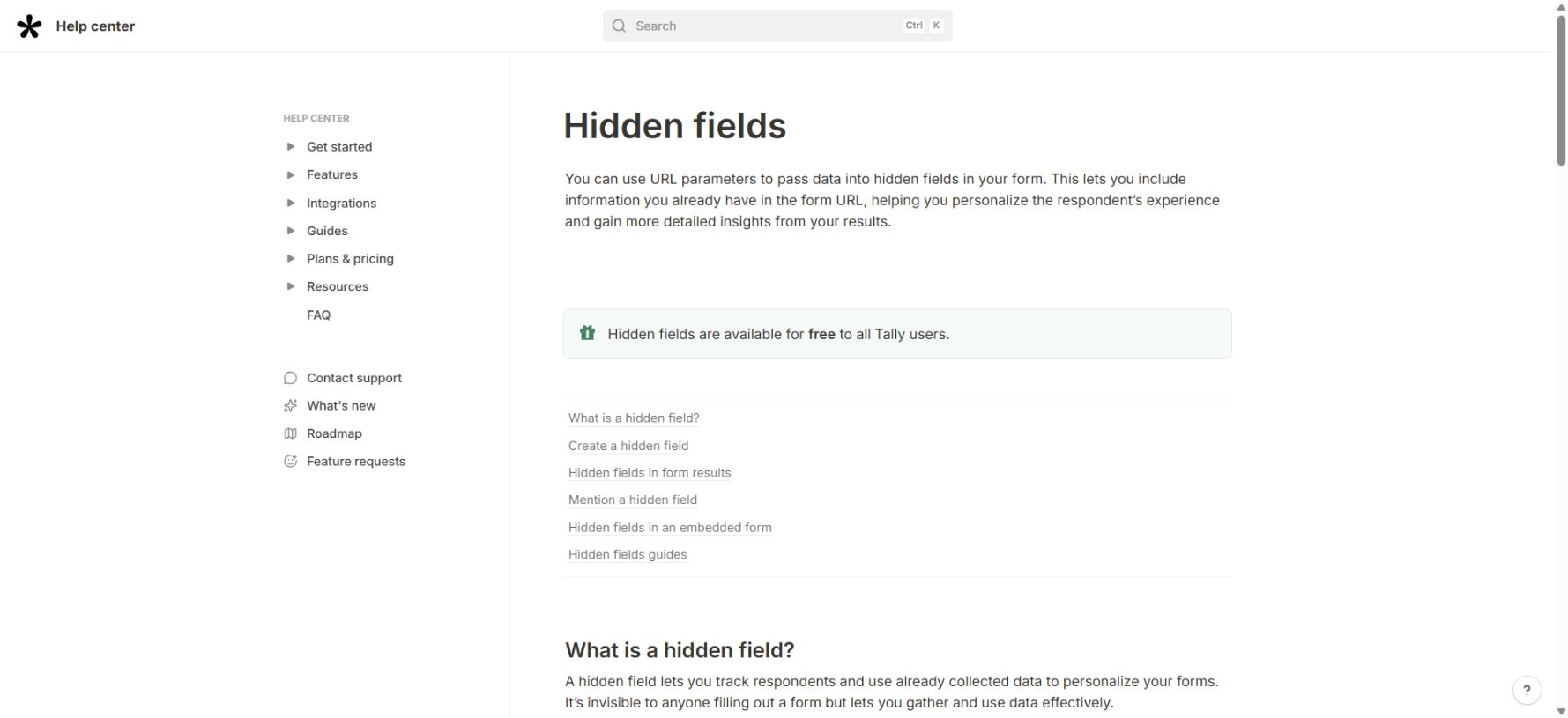
Tally’s public documentation shows how to carry a campaign label into a submitted form. Source -
Compare completed outcomes and the extra effort Use all assigned projects and equal follow-up timeShow counts and uncertainty
Report assigned proposals, contacts reached, replies, accepted projects and completed paid work by group. Use assigned projects as the denominator. Include estimator effort, message costs and any extra reassessments.
Keep unresolved jobs visible and allow the same elapsed time in both groups. Small pilots can produce uncertain differences. Have your analyst review the evidence before scaling or claiming incremental roofing revenue.
What to measure
Keep the assignment, message and completed-job records together. Decide whether the added follow-up earns enough additional work to justify its cost.