Build recurring pool-deck washing through an HOA referral
A community referral can introduce your washing service to households near a pool or shared recreation area. Start by asking the right community contact what they can distribute. A referral does not establish who owns a pool, who belongs to an HOA or who can authorize the work.
Steps
-
Verify who can share the invitation Use an official community contactAsk about vendor distribution rulesSeparate private-property work from common areas
Find the association or management company's public contact and ask about its approved process for vendor information. Prepare a short description of your residential deck, patio and pool-surround cleaning services. Get permission before using a community name or implying an endorsement.
For common-area work, confirm who can request bids and sign the agreement. For a private deck, speak with the person authorized for that property. Keep resident information with the community unless individuals choose to request your service.
-
Offer an assessment before a recurring schedule Ask about surface and accessConfirm wastewater requirements locallyPrice the actual scope
Have your crew lead assess surface condition, materials, access, furniture and whether the area can be closed during work. Let the assessment determine the method, visit interval and price. Pool-adjacent surfaces need a defined scope that your team is equipped to handle.
Check local wash-water collection and disposal requirements with the responsible authority. Salt Lake County's municipal operations procedures include pressure washing and exterior surface cleaning. Use that published example to prepare questions for your local authority, then verify the requirements for your contractor work.
-
Use a referral form people choose to complete Collect the actual service propertyAsk who authorizes accessCarry a neutral referral label
Provide a link for the community contact to share through its approved channel. Ask for service address, surface, contact details and whether the request is for a private property or common area. Avoid assuming the respondent is a homeowner or association member.
Tally's shared documentation screenshot shows hidden fields carrying URL labels into submissions. Use a neutral campaign label for this referral and verify it reaches your office. Keep personal details out of the link. Separate optional marketing permission from responding to the requested assessment.
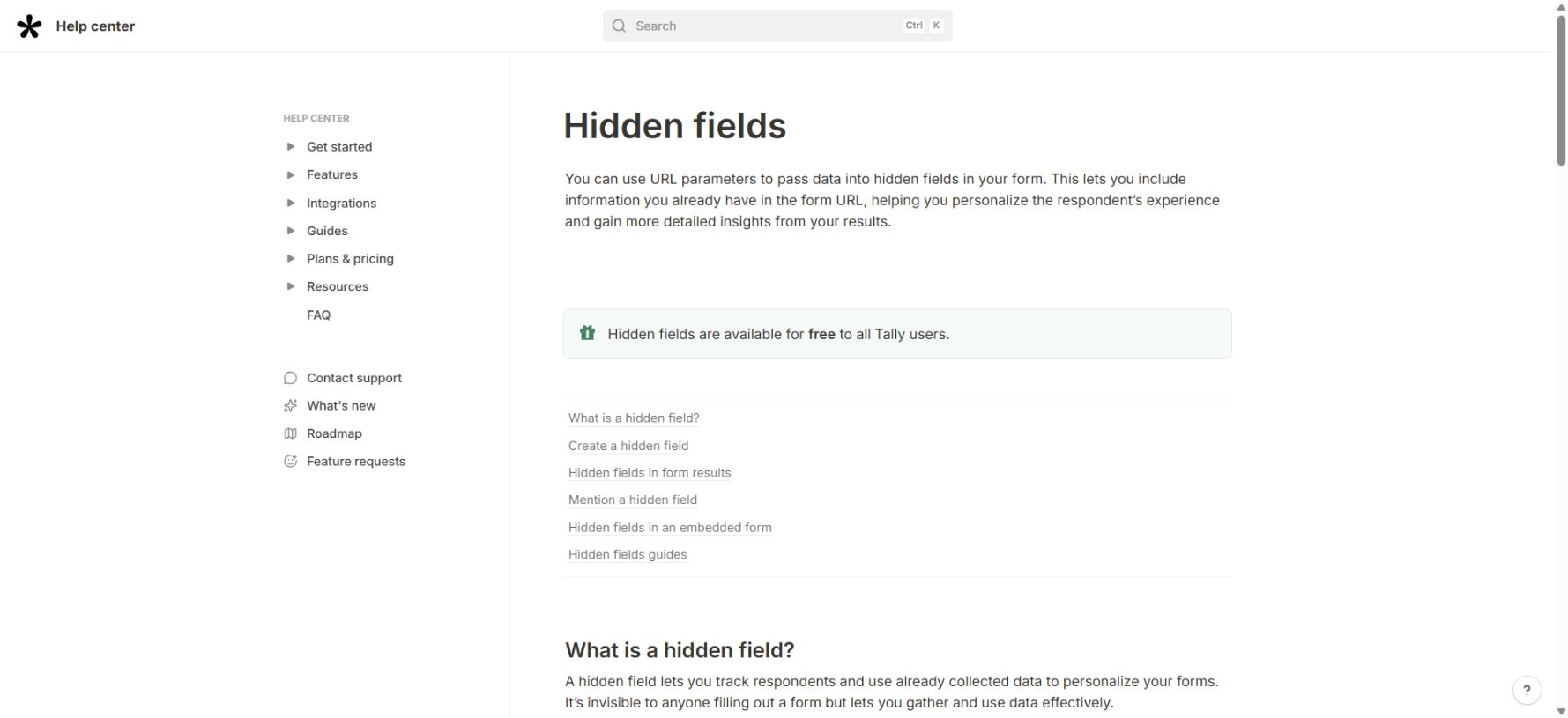
Tally’s public documentation shows how to carry a campaign label into a submitted form. Source -
Confirm recurring work and measure retained routes Agree on scope and visit frequencyConfirm access before each visitTrack completed visits and cancellations
After the assessment, document surfaces, exclusions, interval, price and cancellation terms. Confirm the authorized contact and a practical access process. Record private-property agreements separately from any common-area contract.
Track referred inquiries, assessments, signed recurring agreements and completed paid visits. Review travel, setup time, return work and cancellations by route. Expand the referral only when your crew can service the resulting schedule profitably.
What to measure
Give the community a clear invitation and let interested people identify their own needs. Build the recurring offer from inspected properties and explicit agreements.