Explain access limits before assessing finished basement walls
The homeowner describes a crack behind a finished basement wall, and your coordinator cannot see what the assessor will be able to inspect. Have the assessor define a useful first visit.
Steps
-
Describe the reported area Ask what is currently visibleKeep hidden conditions unknown
Record the customer’s observation and whether finishes cover the affected wall or floor. Request existing photos only.
Have the assessor identify the initial visit’s scope and any access question requiring later approval.
-
Preserve the access question Use a neutral review labelTest the office summary
Use a Tally intake link carrying a finished-area assessment label in a hidden field. Ask what the customer can show.
Submit a test and verify the assessor receives the visible-area description and access uncertainty.
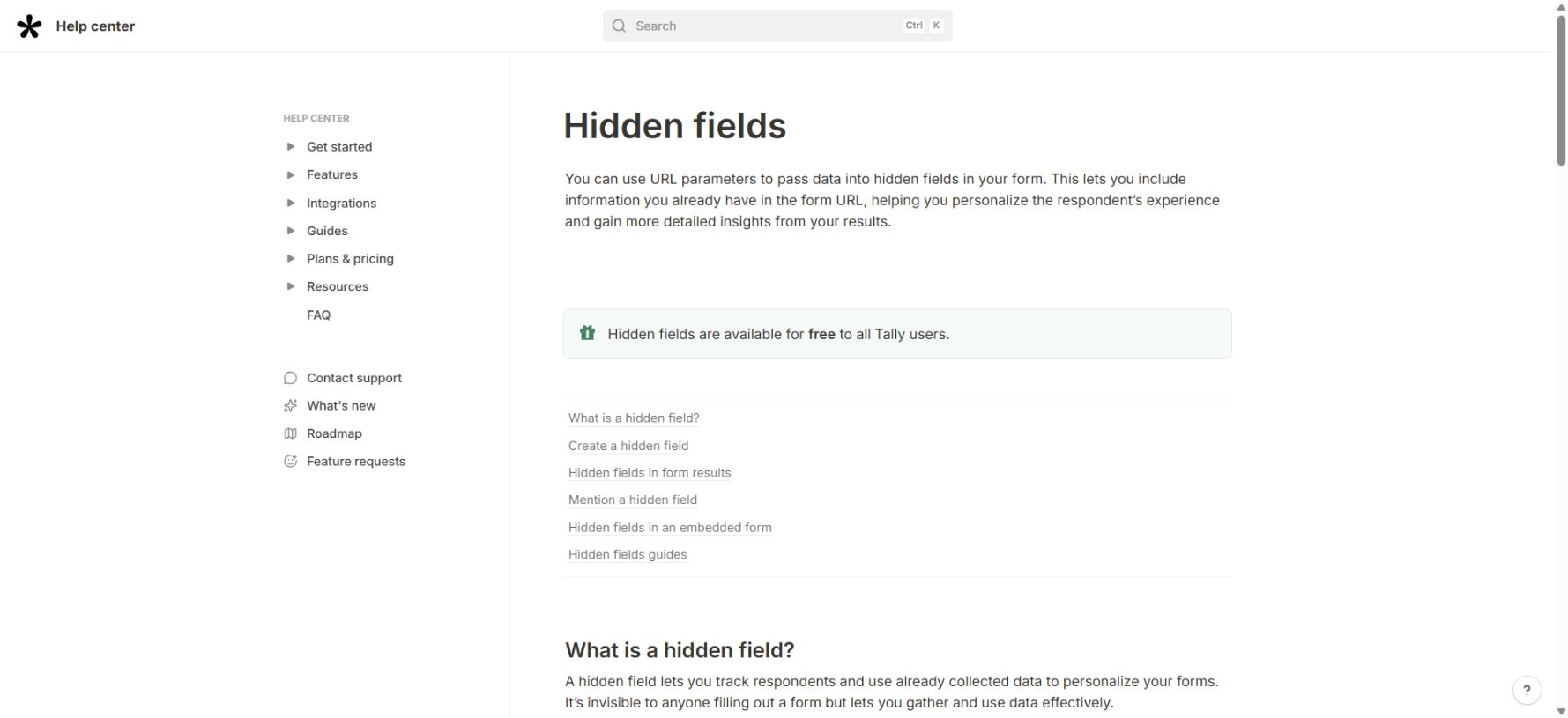
Tally’s public documentation shows how to carry a campaign label into a submitted form. Source -
Confirm a realistic first visit Explain the reviewed scopeAssign any later access decision
Have the assessor approve the appointment based on the available information. Tell the homeowner what is still unresolved.
Keep any later request to open finishes within the company’s separate qualified review and authorization process.
-
Review whether the visit was useful Record areas not assessedAssign supported next actions
Save the assessor’s actual findings and limitations. Distinguish an incomplete view from a confirmed repair scope.
Track repeat visits caused by an unclear initial promise and revise that explanation.
What to measure
The initial assessment should have a clear and supportable access boundary.