Use a room-by-room comfort worksheet to prepare attic assessments
A customer may say the house is always hot when they mean the bedroom over the garage. A short worksheet helps your assessor prepare better questions without promising what the fix will be.
Steps
-
Ask what happens in each room Collect room and time of dayExplain who will assess the issue
Keep the worksheet to the property address, rooms affected and when the problem shows up. Let people say they do not know how their attic is set up.
Give the assessor the observations without treating the worksheet as a diagnosis. Keep access or safety concerns for qualified review.
-
Verify which campaign delivered the worksheet request Use a neutral source codeSubmit a preview from your phone
Use a hidden field to record whether a submission came from the organic page, a brochure QR or a paid landing page. Keep addresses and personal details out of the link.
Test two campaigns and confirm the consistent office record. Check that the worksheet arrives independently of whether you get a notification.
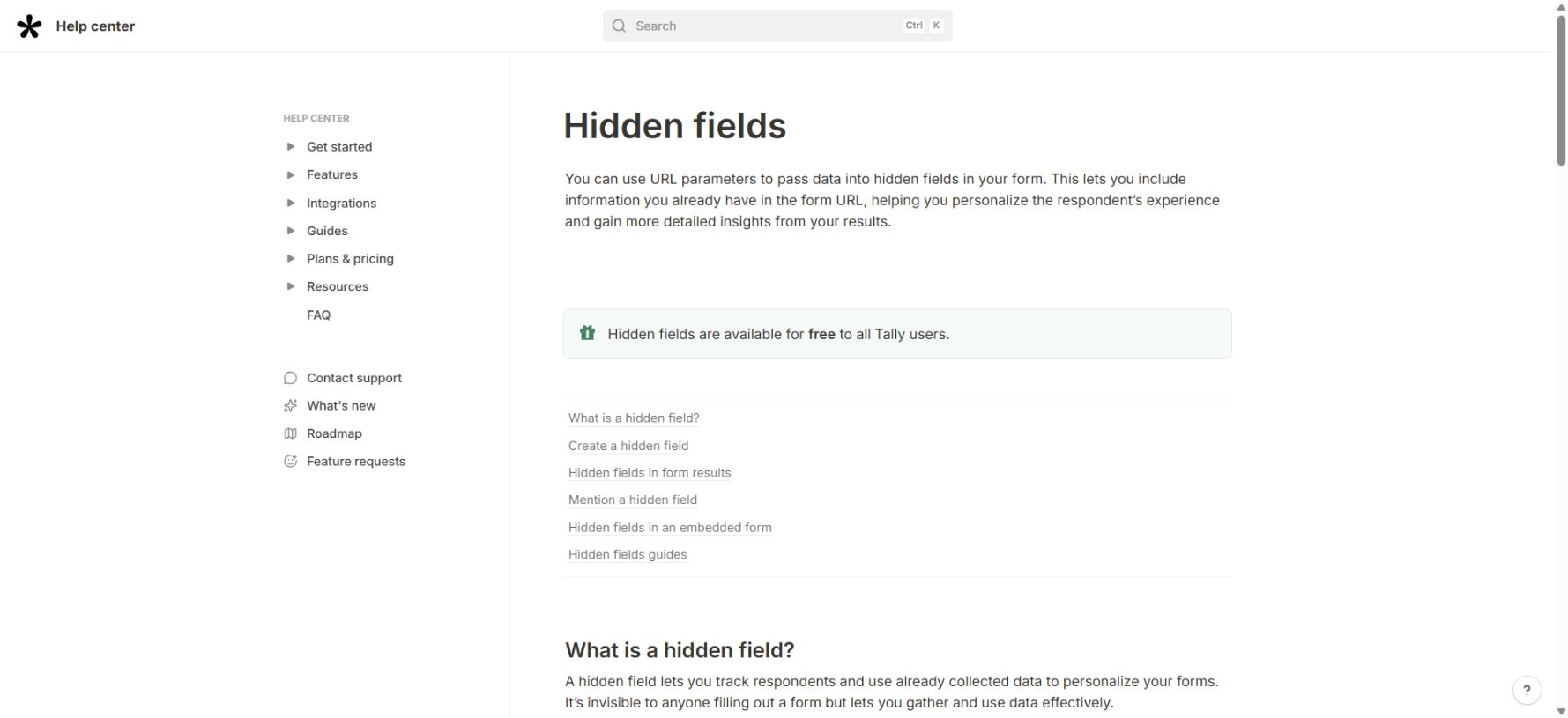
Tally’s public documentation shows how to carry a campaign label into a submitted form. Source -
Give an assessment owner the context Check for an existing address match in your CRMConfirm the reported symptoms
Assign the request to someone who can ask about comfort, equipment, access and earlier work before scheduling. A recent service job may change who needs to call back.
Review eligible PipelineOn records only when useful. If a matched household and an open project reliably connect, use the page activity to prepare the office callback.
-
Compare worksheet requests with assessed jobs Count qualified cases and visitsReview missing details with the assessor
Watch whether more requests have enough context to book. Ask the assessor what still had to be learned on the phone.
Track how many attended assessments produced a scoped proposal and how often you referred the customer elsewhere. Update the worksheet based on the recurring gaps.
What to measure
The worksheet earns its place when the office can schedule suitable assessments with fewer avoidable callbacks.